Run Wild Races
Next Event:
October 17, 2026
Metro Richmond Zoo, VA
Racing for the Critically Endangered Pygmy Sloth
The 13th Bi-Annual Run Wild Race
October 17, 2026 hosted at the Metro Richmond Zoo. Below are the race options for the upcoming event.
Run Wild:
Mini
5k

Ninja
Something For Everyone!
Run Wild Races has partnered with the Metro Richmond Zoo to bring fun and animal awareness to those who participate in our events while helping to raise animal conservation funds.
Come run, walk, or ninja your way around the zoo on Saturday, October 17th! Don’t forget to round up your herd; there is FUN for everyone. Choose from our 3 events: 1 Mile, 5k, and Wild Ninja! Be sure to spot rhinos, zebras, cheetahs and other zoo animals along the race path! After you cross the finish line, each participant can visit the Zoo for FREE! Any spectators that come with you will receive a 10% discount off their zoo admission tickets for race day.


Race day countdown
Day(s)
:
Hour(s)
:
Minute(s)
:
Second(s)
Events
Compare Events
Mini 1-Mile
Everyone’s invited to join this 1-mile fun run through the Zoo — a perfect adventure for families, friends, and runners of all ages! While anyone can participate, kids 2-17 will compete for the Mini 1-Mile awards and bragging rights.
The course winds through the Zoo’s scenic pathways with a mix of 90% pavement, 5% gravel, and 5% dirt—ideal for young runners, families, and all-terrain strollers. (Children 1 and under do not need a ticket.)
Participant Info:
- All Mini participants ages 2 and older need a ticket (including chaperones).
- Children ages 2–7 must have a participating parent or designated chaperone. (Parents may assign a responsible older sibling or friend.)
- Awards are given only to participants 17 and under.
- For animal safety, some exhibits will be closed during the run, but you can visit all of them after the Zoo opens for the day!
5k
Experience a one-of-a-kind all-terrain 5K that begins inside the Zoo and winds around its perimeter—including exclusive access through the Cheetah Conservation Center and areas between the Zoo’s double security fences.
After nearly a mile of paved pathways, the course transitions into a mix of dirt, mulch, grass, and gravel trails featuring winding turns, rolling hills, scenic bridges, and up-close views of exotic wildlife. Expect stunning sights, a few steep climbs, and an unforgettable run through nature.
Participant Info:
- All 5K participants ages 5 and up require a ticket (including chaperones).
- Children ages 5–10 must be accompanied by a participating parent or designated chaperone. (Parents may assign a responsible older sibling or friend.)
Wild Ninja
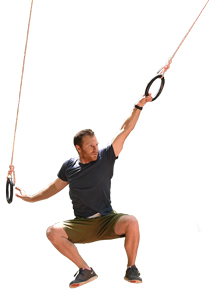
An epic 2-mile adventure packed with up to 42 obstacles inspired by American Ninja Warrior and real-life animal survival challenges. Each obstacle tests your balance, strength, stamina, and grip — as you compete to “escape extinction”!
Earn points for every obstacle conquered and see where you rank on the IUCN Red List of Survival — from Extinct to Least Concern. Those who conquer them all will earn the title “Unlikely to Become Extinct in the Near Future” and receive free entry into their next Wild Ninja!
Whether you’re a seasoned competitor or just ready to try something wild, this course is for anyone 8 and older.
(Ages 8–14 must compete with a participating adult or have a Full Access Spectator ticket to walk the full course with them.)
Challenge yourself. Represent your “species.” Prove you won’t go extinct.
Race for the 100
When you cross the finish line, you aren’t just getting a medal—you’re helping save a species that has been isolated for nearly 9,000 years. Let’s make sure they don’t disappear on our watch.
100% of our net proceeds from this event will benefit:
Critically Endangered Pygmy Sloths
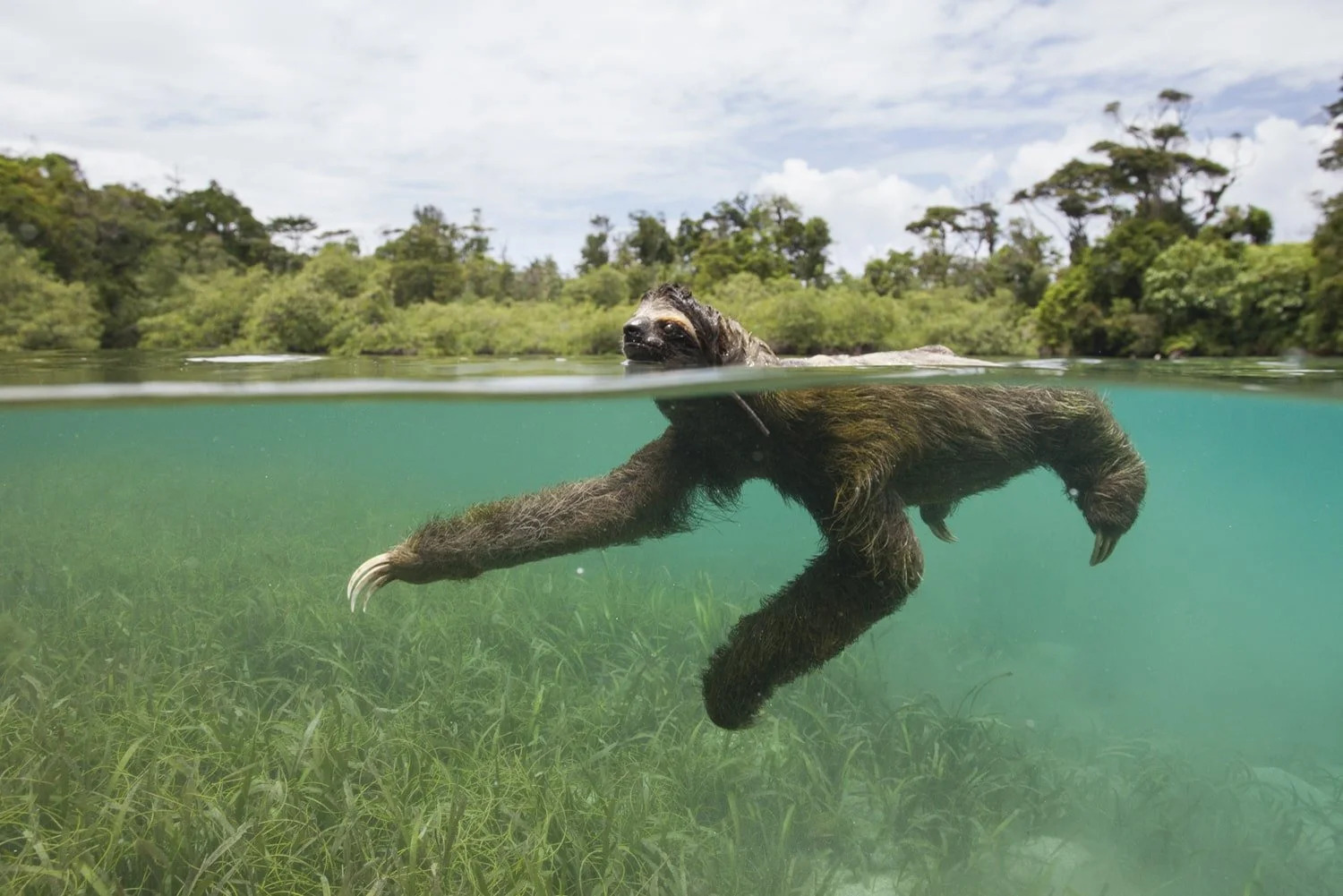
Saving the Pygmy Sloth from Extinction The Pygmy Three-Toed Sloth is one of the most endangered mammals on Earth. Found exclusively on the tiny, uninhabited island of Escudo de Veraguas off the coast of Panama, these unique “swimming sloths” are in a race against time. With a wild population estimated at fewer than 100 individuals, every effort counts to ensure they don’t disappear forever.
The Mission: We are proud to support the Pygmy Sloth Conservation Project, led by Panamanian researcher and EDGE fellow Diorene Smith Cabellos. This project works directly on the ground (and in the mangroves) to protect the sloths through three vital pillars:
-
Research: Conducting long-term monitoring to understand the sloths’ biology and health in their fragile mangrove habitat.
-
Education: Partnering with indigenous authorities and local fishing communities to raise awareness and create sustainable ways to use the island’s resources without harming the sloths.
-
Conservation: Working with the Panamanian government and the IUCN SSC Specialist Group to implement a long-term protection plan for Escudo de Veraguas Island.
Why Your Race Matters: The Pygmy Sloth is a flagship species for its island home. By participating in this season’s Run Wild Race, a portion of your registration fee goes directly to ZSL and SloCo. These funds go directly towards:
-
Island Patrols: Supporting local rangers to prevent illegal logging of the red mangroves where these sloths live.
-
Population Science: Funding the radio-collaring and tracking of sloths to understand their unique “swimming” behavior and habitat needs.
-
Community Education: Working with the indigenous Ngäbe-Buglé communities to create sustainable management plans for the island’s resources.
Help us protect the world’s slowest survivor. Your steps today help them “hang on” for tomorrow.
Our Charity Partners:
The Zoological Society of London (ZSL) – EDGE of Existence
The Sloth Conservation Foundation (SloCo)
Sloths – Metro Richmond Zoo
Pygmy Sloths – Isla Escudo de Veraguas

Why Run Wild Races?
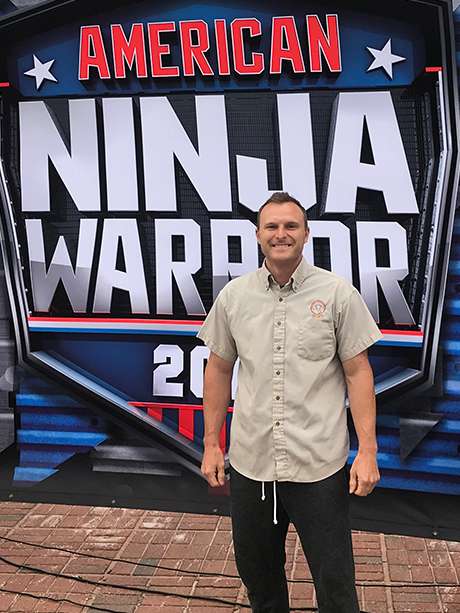
Run Wild Races was started in the summer of 2020 by Justin Andelin, the Zoo Ninja.
“Fitness and competition have always been an important part of my upbringing. My competitive nature is what inspired me to apply and get onto the 10th season of American Ninja Warrior.
I had never previously been to a ninja gym to train on ninja obstacles for the required body control and awareness needed for success. Nevertheless, I was going to prove to myself that I could complete the obstacles. That was exactly my intention when I stepped onto the tv set in 2018. Needless to say, I was humbled by the forth obstacle! Had I previously trained on ninja obstacles, I would have made it much further.
After being on the show, I realized that like myself, there are a lot of people that just want to try ANW style obstacles. Because there are not any ninja gyms in Richmond, I wanted to bring ANW styled obstacles for my community to try. I also wanted to improve on the slow format (1 person at a time) of ANW. My solution: Wild Ninja. I hope you enjoy it.”
Why the Mini, and 5k?
“I love sprinting, and finding ways to improve my endurance for ninja warrior. I also wanted people to be able to race through the zoo around the animals!”